4/27/2026
What To Know Before You Build: A First-Timer’s Guide To Post-Frame Construction
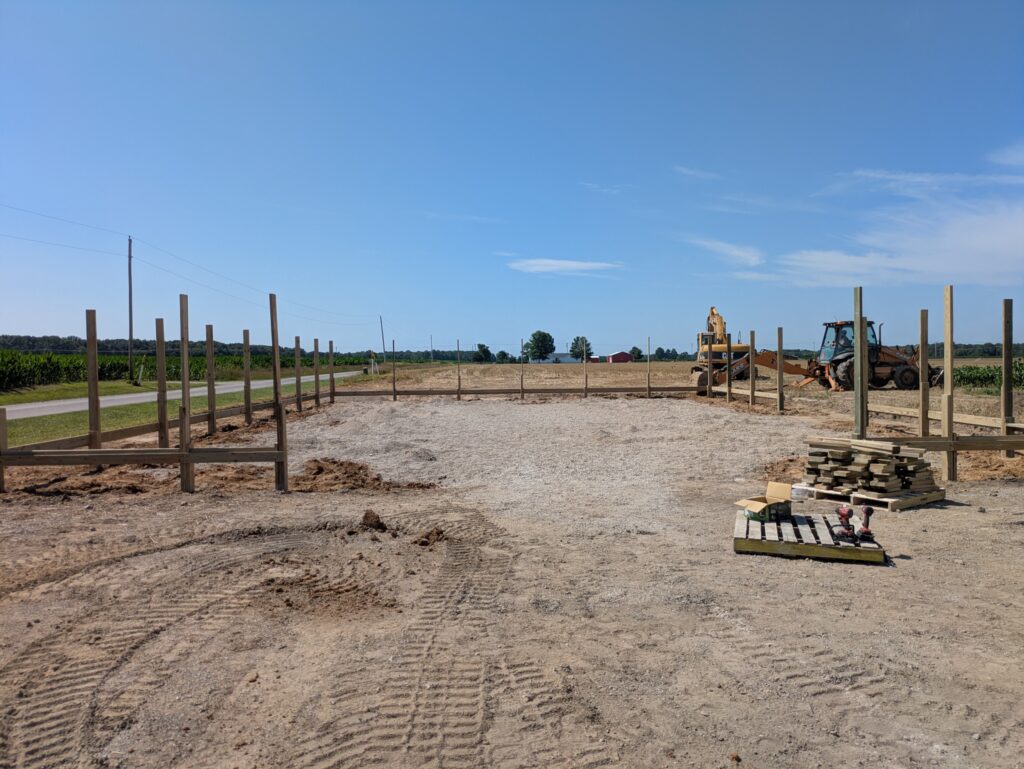
If you’ve never built a post-frame building before, the process can feel a little overwhelming at first. There are decisions to make, terms you may not recognize, and no shortage of opinions from people who have been through it. The good news is that post-frame construction is one of the more straightforward building methods available — and once you understand the basics, the process tends to move quickly and make a lot of sense.
Here’s what every first-time builder should know before they get started.
What Is Post-Frame Construction?
Post-frame construction is a building method that uses large structural posts anchored into the ground or set on a foundation, rather than a continuous perimeter foundation like traditional stick-built construction. Those posts carry the load of the roof and walls, which means fewer interior load points, wider clear spans, and greater flexibility in how the interior of the building is laid out.
It’s the same basic principle that’s been used in barn construction for generations — but modern post-frame buildings are engineered, energy-efficient, and built to a level of quality that makes them suitable for everything from machine sheds and commercial shops to full-time residences.
Why Post-Frame?
The short answer is value. Post-frame construction typically costs less per square foot than traditional building methods, builds faster, and gives you more usable interior space for the money. Because the structural system doesn’t rely on load-bearing interior walls, you have more freedom to configure the inside of your building however your operation or lifestyle demands.
Post-frame buildings also perform well in a wide range of climates. With proper insulation, ventilation, and a quality foundation system, they’re built to handle everything from harsh Midwest winters to hot, humid summers — and they do it without the maintenance headaches that come with some other building types.
Understanding The Process
Most first-time builders are surprised by how organized the process actually is once it gets moving. At Longhorn, it breaks down into a few straightforward stages.
It starts with a consultation — a conversation about your property, your needs, your timeline, and your budget. From there, the design phase begins. This is where the layout, dimensions, door placement, features, and finishes all get worked out. It’s also the most important stage for first-time builders, because the decisions made here have the biggest impact on how useful and functional your building ends up being.
Once the design is finalized, you’ll receive a detailed quote. If everything looks good, the project gets scheduled and materials are ordered. Longhorn manufactures its own wall and framing components in-house, which helps keep lead times predictable and quality consistent. When the crew arrives on site, the build moves quickly — most projects come together in a matter of days once construction begins.
The final stage is the walk-through, where everything gets reviewed before the project is considered complete.
A Word On Quality
Not all post-frame buildings are created equal, and first-time builders are right to ask questions about what separates one contractor from another. Material quality, engineering standards, and the experience of the crew doing the work all make a real difference in what you end up with.
"I've known the Wilhour family for years," said one longtime Longhorn customer. "I respect them and knew they would provide a quality product — and they did exactly that."
That kind of reputation is built one project at a time. When you’re evaluating contractors, ask about their building systems, their foundation options, and what’s included as standard before upgrades are ever considered. The answers will tell you a lot about how they approach their work.
